четвртак, 26. октобар 2017.

Leicester City in Belgrade 1937 / Lester Siti u Beogradu 1937.

Leicester City in Belgrade 1937


Before the World War II, tour of English clubs across Europe was very popular. The host cities were eagerly waiting for the arrival of professionals from the "football cradle". Football players from England earned good money on these tournaments, while the hosts had a solid income from ticket sales. On a summer tour in 1937, Lester City's players started quite accidentally, because the English association of England banned Wolverhampton from participating in a tour in Central Europe, in the last minute. Instead of a club from the Birmingham suburb, the secretary of the federation, Mr. Rose, recommended returnees to the elite rank of Lester City, which the clubs accepted.

Lester City team led 17 players on a tour and by an good old football habit, the entire administration. However, the management of the club consisted of only 8 people, unlike the Yugoslav clubs of that time, whose administration had 40 members. The recorder is S.K. Jugoslavija with over 50 members in the management of the club. Perhaps Lester's officials deserved to travel in full composition having in mind the huge revenues they provide to their team. The income from one of their matches is equal to the monthly income of Belgrade clubs BSK and S.K. Jugoslavija, although the town of Lester in 1937 had the same population as Belgrade.

The tour departed from Holland, where the Amsterdam team was defeated with the result 1: 0. Then the Lester family through Vienna and Pest headed the Bucharest road. In the capital of the Kingdom of Romania, the English have played two games. They were defeated by Timisoara Ripensia 2: 1 and by the champions of Bucharest Venus 2: 0. The matches in Bucharest were played at the Venus Stadium, on the clay... to the great disappointment of the guests. According to coach Edwards, "the Romanians played very rough, made a lot of fouls and used their hands in the duel." (Politika, 1937) "My team played very well, they did not disappoint, but the poor result was provoked by Romanian judges who were on the side of their compatriots." (Politika, 1937)

Common photo of Leicester City and Venus football players taken in May 1937/
Zajednička fotografija fudbalera Lestera i Venusa u Bukureštu Maja 1937. godine  (foto: Politika)

Guest reception at the stadium in Bucharest/
Doček na stadionu Venusa (foto: Pravda 1937.)

Coach Edwards was disappointed with the information he received about the opponents, as it was wrongly reported during the preparation of the match that Ripensia players is a mediocre club from Romania and he admitted that he had been resting several players before the match with Venus. Hosting in Romania may not have been able to get better due to the political situation in the country, where the extreme right and propaganda grew stronger and it was necessary to prove Romanian dominance over the English at all costs.

After the game in Bucharest, Lester City's expedition headed towards Pest, where on May 16 was defeated by Hungary (today's MTK Budapest) with 4: 3, in front of 10,000 spectators. Het trick on that match was scored by Lester Bowers' best scorer. Coach Edwards was thrilled with the game of the Hungarians.

Leicester City expedition at the railroad station in Budapest/
Ekspedicija Lestera na železničkoj stanici u Pešti (foto: Pravda 1937)

A day later, on Monday morning, Lester City's team was already in Belgrade, where they were supposed to play the match in the evening. Even before noon players of the new English first-runner were drinking beer in the "Kod Milanovića" buffet, the afternoon was scheduled for rest, which was not respected by all players, and evening for the match against the BSK. Reading the press from that period, this match was expected with great impatience. The Lester team was presented as a strong team, which expects high ranking in the pre-season and will surely make a long way in the Cup competition (Politika, 1937). A big crowd was announced at the box office, so the fans were asked to provide tickets on time. Tickets were numbered for the first time, and stadium stands were therefore marked for easier orientation. It was only the second hosting of the club from England in Belgrade, a year earlier Liverpool was also visiting the BKS stadium. The game is scheduled for 21:15. However, the atmosphere among the fans also flared up on the day of the match as the reports from the guest appearances of the Englishman in Bucharest and Pest arrived. It was obvious that the stadium on the top of the hill will not be filled to the last place.

In Lester City played: McLoren, Jones, Frame, Smith (captain), Sharman, Grosvenor, Carroll, Maw, Bowers, Liddle and Stubbs. BSK performed in the following composition: Mrkušić, Radovanović, Matošić, Knežević, Stevović, Lehner, Glišović, Šurdeka, Marjanović, Vujadinović and Podhradski. The citizens of Belgrade were enhanced by Matošić from Split, who was serving the military service in Belgrade.

Common photo of Leicester City and BSK football players
Zajednička fotografija fudbalera Lestera i beogradskog BSK-a (foto: Politika)

The first half ended with a score of 1: 0 for BSK goal of Moša Marjanović. That morning drunken Englishman in Belgrade could maybe be understood, but in the locker room, during the break, the English drank whiskey and chewed "American gum", which disappointed almost all the players of the Belgrade team, who considered the gesture of football professionals from England as underestimation. In the second part of the game, Lester did not make an honest effort to reach at least one goal. The audience was visibly disappointed. Another goal of Marjanovic and Podhradski's ended the match with a 3: 0 result for the home team. It seems that after the heavy championship, the Englishmen seem to care only about spending their time in various countries, perhaps they needed to be understood because they were actually on the excursion. Consideration should also be given to the tiredness, because they played a rough game in Pest the previous day. BSK unfortunately became the first victim of Lester's tour, because after this game, cashier Mita could only record another loss to the club's trophy.

The end of the match for the English meant only the start of the Belgrade tavern tour. The first and final destination of the evening was a café "Tri lista duvana" where the waiter managed only with the help of a gendarme to throw out two shortcut Englishmen from the tavern, in the early morning hours. The tavern "Tri lista duvana" was located at the corner of the streets of King Aleksandar and Prince Miloš. Daily newspapers were full of criticism for Lester's game. Almost everyone reported the news that "Lester City was disappointing". The daily "Danas" transmitted the statement of Moša Marjanović in which he says "If you ask me, I would not bring foreign clubs anymore, they just come for joke for big money, they lose the matches, and we lose money." (Politika 1937)

After Belgrade, Lester City players continued their trip to Vienna where they played two more matches against the combined team of Rapid and Austria, and they played their last game in a summer tour in Bratislava, where they were also defeated.

Maybe Leicester City in 1937 was not a worthy representative of English football. They finished the season of 1937/38 on 16th place. Perhaps this tour is only pompously announced in the Serbian press to attract as many spectators as the fee paid to the manager of Lester for hosting in Belgrade was not low at all. Nevertheless, Lester's team got the nickname "foxes" only 10 years later. Our press has certainly used this moment, when a professional club from England was defeated, to say that Yugoslav football is "progressing fast".

Parallel to this match, Chelsea hosting from London in Belgrade was expected and I will write more about this duel in the next post... 


translation/ prevod: Tea Besu


Lester Siti u Beogradu 1937.


Pre Drugog svetskog rata, turneje klubova iz Engleske po Evropi bile su veoma popularne. Gradovi domaćini su sa nestrpljenjem isčekivali dolazak profesionalaca iz ,,kolevke fudbala“. Engleski fudbaleri su na tim turnejama ostvarili dobru zaradu, dok su domaćini imali solidan prihod od prodaje ulaznica.


Na letnju turneju 1937. godine fudbaleri Lester Sitija krenuli su sasvim slučajno, jer je fudbalska asocijacija Engleske u poslednji čas zabranila Vulverhemptonu ucesče na turneji po srednjoj Evropi. Umesto kluba iz predgradja Birmingema, sekretar saveza, gospodin Rouz, preporučio je povratnika u elitni rang Lester Siti, što su klubovi i prihvatili.

Na turneju, ekipa Lester Sitija je povela 17 igrača i po dobrom starom fudbalskom običaju, celu upravu. Doduše, upravu kluba činilo je svega 8 ljudi, za razliku od jugoslovenskih klubova tog doba čija je uprava imala 40-ak članova. Rekorder je S.K. Jugoslavija sa preko 50 članova u upravi kluba. Možda su funkcioneri Lestera i zaslužili da putuju u punom sastavu s obzirom na velike prihode koje obezbeđuju svom timu. Primera radi, prihod od jedne njihove utakmice jednak je mesečnim prihodima beogradskih klubova BSK i S.K. Jugoslavija, iako je grad Lester te 1937. imao isti broj stanovnika kao Beograd.

Turneja je krenula iz Holandije, gde je pobeđena reprezentacija Amsterdama sa 1:0. Zatim je družina iz Lestera  preko Beča i Pešte krenula put Bukurešta. U glavnom gradu Kraljevine Rumunije Englezi su odigrali dve utakmice. Poraženi su od temišvarske Ripensije 2:1 i od šampiona, Venusa iz Bukurešta 2:0. Utakmice u Bukureštu su odigrane na stadionu Venusa, na šljaci... na veliko razočarenje gostiju. Prema rečima trenera Edvardsa ,,Rumuni su igrali veoma grubo, napravili su puno faulova i koristili su ruke u duelima“ (Politika, 1937.). ,,Moja ekipa je igrala veoma dobro, nisu razočarali, ali su lošem rezultatu kumovale i rumunske sudije koje su bile na strani svojih sunarodnika“ (Politika 1937.). Trener Edvards je bio razočaran i informacijama koje je dobio o protivnicama, jer je prilikom pripreme utakmice obavešten pogrešno, da je Ripensija osrednji klub iz Rumunije i priznaje da je zbog toga odmarao nekoliko igrača pred duel sa Venusom. Gostovanje u Rumuniji možda i nije moglo proći bolje s obzirom na političku situaciju u toj zemlji, gde su krajnja desnica i propaganda sve više jačali i trebalo je dokazati dominaciju Rumuna nad Englezima po svaku cenu.

Nakon utakmica u Bukureštu ekspedicija Lester Sitija se uputila ka Pešti, gde je 16. Maja  poražena od Hungarije (danasnji MTK Budimpešta) sa 4:3, pred 10000 gledalaca. Het trik na tom meču postigao je najbolji strelac Lestera Bovers. Trener Edvards je bio oduševljen igrom Mađara.

Dan kasnije, u ponedeljak ujutru, ekipa Lester Sitija je već bila u Beogradu, gde je trebalo da odigra utakmicu u večernjem terminu. Celo pre podne igrači novog engleskog prvoligaša su ispijali krigle piva u bifeu ,,Kod Milanovića“, popodne je bilo zakazano za odmor, kojeg se nisu pridržavali svi igrači, a veče za utakmicu protiv BSK-a. Listajući štampu iz tog perioda ovaj meč se čekao sa velikim nestrpljenjem. Tim iz Lestera je predstavljen kao snažan tim, koji očekuje visok plasman u predsojećoj sezoni i da će sigurno dogurati daleko i u takmicenju za Kup (Politika, 1937.). Najavljena je velika gužva na blagajni stadiona, pa su navijači zamoljeni da obezbede ulaznice na vreme. Ulaznice su, po prvi put bile numerisane, a tribine stadiona su iz tog razloga obeležene zbog lakše orijentacije. To je bilo tek drugo gostovanje kluba iz Engleske u Beogradu, godinu dana ranije gostovao je Liverpul takođe na stadionu BSK-a. Utakmica je zakazana za 21:15 časova. Međutim i atmosfera medju navijačima je splasla na sam dan utakmice kako su stizali izveštaji sa gostovanja Engleza u Bukureštu i Pešti. Bilo je očigledno da stadion na Topčiderskom brdu neće biti popunjen do poslednjeg mesta.

Pozivnica za utakmicu u dnevnom listu ,,Pravda" (foto: Pravda)

Lester Siti je nastupio u sastavu: Mekloren, Džons, Frame, Smit (kapiten), Šarman, Grosvenor, Kerol, Mav, Bovers, Lidl i Stabs. Sastav BSK su činili: Mrkušić, Radovanović, Matošić, Knežević, Stevović, Lehner, Glišović, Šurdeka, Marjanović, Vujadinović i Podhradski. Beograđani su bili pojačani igranjem Splićanina Matošića koji je bio na odsluženju vojnog roka u Beogradu.

Prvo poluvreme je završeno rezultatom 1:0 za BSK, golom Moše Marjanovića. A ona prepodnevna pijanka Engleza u Beogradu može još i da se razume, ali u svlačionici, za vreme pauze, Englezi su pili viski i zvakali ,,američku gumu“, što je razočaralo skoro sve fudbalere beogradskog tima, koji su taj gest fudbalskih profesionalaca iz Engleske smatrali potcenjivanjem. U drugom delu igre Lester se nije pošteno ni potrudio da dodje do gola. Publika je bila vidno razočarana. Još jednim golom Marjanovića i Podhradskog utakmica je završena rezultatom 3:0 za domaći tim. Izgleda da je Englezima posle teškog prvenstva stalo samo do provoda po raznim zemljama, mozda ih treba i razumeti jer su oni ustvari bili na ekskurziji. Treba uzeti u obzir i umor, jer su i prethodnog dana odigrali jaku utakmicu u Pešti. BSK je nažalost postao prva žrtva Lesterove turneje, jer posle ove utakmice blaganik Mita je mogao samo da upise još jedan gubitak u kasu kluba.


Reakcije dnevnih novina nakon utakmice (Politika 1937.)


Završetak utakmice za Engleze značio je samo početak obilazaka beogradskih kafana. Početna i krajnja destinacija te večeri bila je kafana ,,Tri lista duvana“ gde je konobar tek uz pomoć žandarma uspeo da istera iz kafane dva kratko ošišana Engleza u ranim jutarnjim časovima. Kafana ,,Tri lista duvana“ se nalazila na uglu ulica Bulevara Kralja Aleksandra i Kneza Miloša. Dnevne novine su bile pune kritika za igru Lestera. Gotovo svi su preneli vest da je ,,Lester Siti razočarao“. Dnevni list ,,Danas“ je preneo izjavu Moše Marjanovića u kojoj kaže ,,da se ja nešto pitam, više ne bih dovodio strane klubove, oni samo dolaze da se šegače za velike pare, oni gube utakmice, a mi novac.’’

Posle Beograda, fudbaleri Lester Sitija su nastavili svoje putovanje ka Beču gde su odigrali još dve utakmice protiv kombinovanog tima Rapida i Austrije, da bi svoju poslenju utakmici na letnjoj turneji odigrali u Bratislavi, gde su takođe poraženi.

Možda Lester Siti te 1937. i nije bio dostojan predstavnik engleskog fudbala. Sezonu 1937/38 su zavrsili tek na 16. mestu. Možda je ovo gostovanje samo pompezno najavljeno u srpskoj štampi da bi privuklo što više gledalaca jer honorar koji je isplaćen menadžeru Lestera za gostovanje u Beogradu nije bio nimalo mali. Ipak je tim iz Lestera dobio nadimak ,,lisice“ tek 10-ak godina kasnije. Naša štampa je svakako iskoristila ovaj trenutak, kada je već savladan profesionalni klub iz Engleske, da kaze kako jugoslovenski fudbal ,,munjevito napreduje“.

Paralelno sa ovom utakmicom, očekivalo se i gostovanje Čelzija iz Londona u Beogradu, a nešto više o tom duelu u narednom postu... 


Nikola Radulović


среда, 27. септембар 2017.

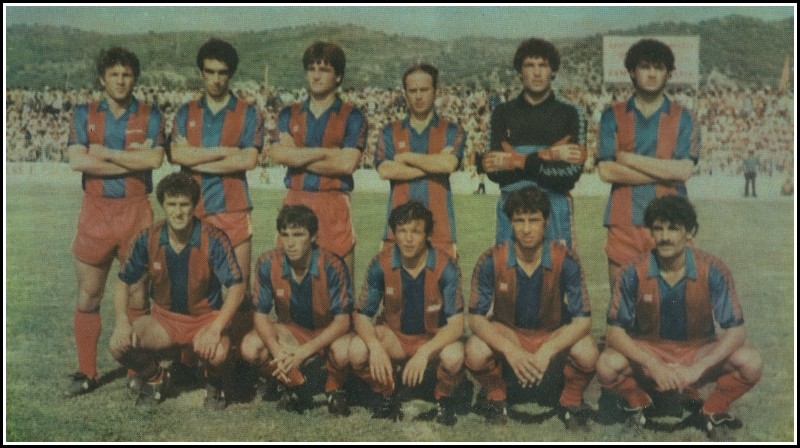
FC Flamurtari Vlorë / FK Fljamurtari Valona


FC Flamurtari Valona


One of the oldest football clubs in Albania was founded in 1923 in the port of Valona called the Shoqeria Sportive Valona. The club was founded with the intention of being the best and most popular in the city. Only club financing at that time did not represent a problem. The funds were covered by donations from members and from various activities in the city for the purpose of functioning of the football club. The city of Valona, located on the shores of the Ionian Sea, was the capital of Albania for a very short time. During the 1920s, the club played only friendly matches, mostly against local clubs, but also against clubs from Italy and Montenegro. The club from Valona is one of the founders of the football association of Albania, and it also took part in the first championship of this country in 1930, taking the last place under the name Sportklub Shoperia Valona.

After the founding, the club performed in white jerseys, mainly because of the insistence of the former president of the club, following as an example clubs from England, although the original agreement when the club was formed was that club colors should be red and black, as the colors of the national flag of Albania.

In the mid-1930s, there were major financial problems in the club. One of the first moves of the new club owner was to associate with a local youth club. After this move of the new management, the club changed its name to Shoqat Sportive Ismail Qemali. The club was named after Ismail Qemali, the most respected historical figure in Albania, who proclaimed Albania's independence in Valona on December 28, 1912.

Only in 1937, for the first time, red black striped jerseys were noticed in photographs and based on the articles from local newspapers.

At the beginning of the World War II in Europe in 1939, Italy occupied Albania and this country began to be under its direct protectorate. Football in most Albanian cities continued to play but only unofficial matches. Valona, as the largest Albanian port, was the base of German submarines and the city was bombarded by the British on several occasions. For these reasons, the club from Valona could not function during the war period.

The club continued its work in 1944 under the name Flamurtari, which in translation means standard-bearer. Footballers of this team played in red jerseys. The first post-war championship began in September 1945, and Flamurtari took 4th place from 6 teams. Over the next 40 years, the club failed to achieve the dream of its fans and win the Championship title, although they played on a few occasions in the finals of the Championship. In 1951, the club again changed its name into Pune football club (football club Rad), so that later they would change the name of the club back to Flamurtari, in 1958. During this period, the greatest success of this team was the finals of the National Cup where they were defeated by Dinamo from Tirana. This is the first defeat of Flamurtari in the Cup final of total eight in its history.

Football in Albania progressed slowly in that period, because the people themselves did not have too much access to information, the country was closed, and the only view to the world was through state television and radio channels that did not transmit a realistic picture of the world. The freedom of speech and movement was restricted to the people. At the beginning of the 60’, the Port of Valona lost its significance after the Albanian leader Enver Hoxha turned to cooperation with China. Albania withdrew from the Warsaw Pact and Soviet ships sailed from Valona.

The Golden Period of the Club was in the 80’ of previous century when they finally returned to the top of the Albanian football. The beginning of the golden age of the club coincided with the re-introduction of red black jerseys, which today is a trademark of this club. During that period, Flamurtari had reached the National cup five times, but only on two occasions they managed to reach the trophy, in 1985 and 1988, and on several occasions to achieve, for their conditions, notable results in the European competitions. In the 1985/86 season, Flamurtari was eliminated in the first round of the UEFA Cup from Spanish Barcelona (featuring Mark Hughes, Gary Lineker, Antonio Zubizareta and Viktor Muñoz), without a defeat, due to the goal rule during visit, thanks to Esteban Benitez's goal at the end of the match in Valona (0: 0 1: 1). In the following season, Flamurtari achieved their most significant result in European competitions. In the first round of the UEFA Cup, the red black eliminated the Belgrade Partizan thanks to the Eurogoal of Sokol Kushta at the JNA stadium in Belgrade. This match will become an integral part of the history of both these clubs. In the next round, Flamurtari surprised again by eliminating East German Vizmut Aue (0: 1, 2: 0). In the 1/16 of the finals of UEFA Cup, Flamurtari was again assigned to Barcelona. At the Nou Camp stadium, Barcelona beat them with 4:1 result with two goals from Lineker. In the draw game, in front of a crowded stadium, Flamurtari scored a 1: 0 goal by Sokol Kushta, but that was insufficient to continue the European fairy tale of the Valona players.


1984/85


1986/87

In 1990, Albania left the one-party system. Communism fell, Alija Ramiz came to power, and later Sali Berisha, and Albania slowly became a more open country. In the 1990/1991 season Flamurtari won their first and only Championship title in the history of the club. Football players of this club failed to round up a great season, and win in the Cup final where they were defeated by Partizani from Tirana after the performance of penalty-kick. With this title, Flamurtari gained the right to their first and only participation in the Champions Cup where they were eliminated in the first round by the Swedish Goteborg (1: 1, 0: 0). But only then problems began, because of the new system and openness of Albania towards Europe, many players have left the club and went abroad. In the next season, the club started with a six-point deficit because of financial problems. In the 90’ Flamurtari had very variable results. The Valona players were the closest to win the title 1996/97 season but they failed to do so mostly due to the situation in the country that dominated after the Democratic Party manipulated the election results in 1996. The disorders culminated in 1997 when there were fierce riots in major cities that were controlled by street gangs and armed "citizen groups" at one point. After these events, the club became stable, but there was no success in the Championship. Flamurtari won two more national cups in 2009 and 2014, but without much success in European competitions. In the 2016/17 season, In the last round, the club managed to fight for survival in the first league.


Cup winners / Pobednici kupa

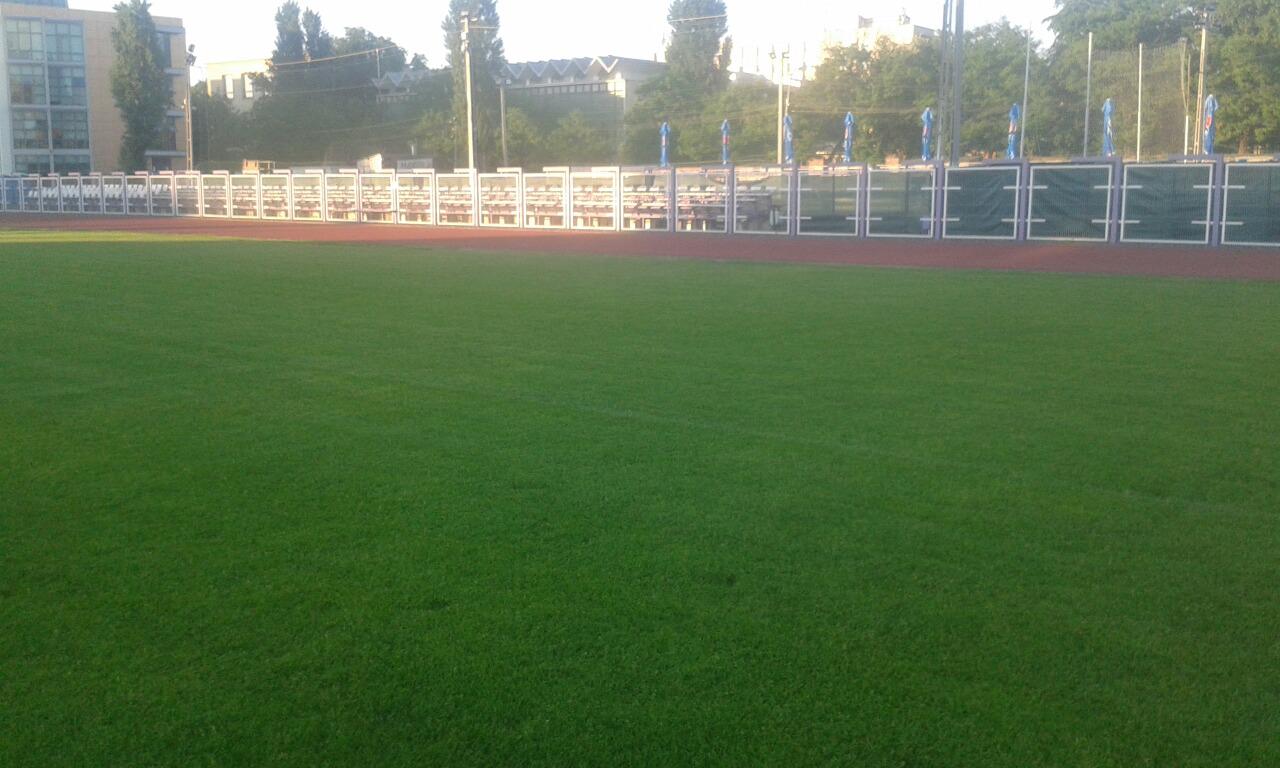
Football Club Flamurtari performs at the city stadium in Valona with a capacity of 16,500 places. Earlier they performed at the stadium on which their training center is today.


(Foto: Flamurtari official)


Flamurtari fans are called "Red Black Fleet". They the matches of their club from the eastern stand. They are considered to be the most faithful fans in the country. But today the stadium in Valona has far less audience than during the Communist.


 Flamurtari : Partizan (foto: crno-bela-nostalgija.blogspot.com)


Sokol Kushta vs Barcelona


FK Fljamurtari Valona

Jedan od najstarijih fudbalskih klubova u Albaniji osnovan je 1923. godine u luci Valoni pod nazivom Shoqeria Sportive Valona. Klub je osnovan sa namerom da bude najbolji i najpopularniji u gradu. Samo finansiranje kluba u to vreme nije predstavljao problem. Finansije su bile pokrivene donacijama članova i  od različitih aktivnosti u gradu u svrhu funkcionisanja fudbalskog kluba. Sam grad Valona, koji se nalazi na obali Jonskog mora, na kratko je bila prestonica Albanije. Tokom 20-ih godina prošlog veka klub je igrao samo prijateljske mečeve, uglavnom protiv lokalnih klubova, ali i protiv klubova iz Italije i Crne Gore. Klub iz Valone jedan je od osnivača fudbalskog saveza Albanije, a učestvovao je i u prvom šampionatu ove zemlje 1930. godine. zauzevši poslednje mesto pod imenom Sportklub Shoperia.


Nakon osnivanja, klub je nastupao u belim dresovima, najviše zbog insistiranja tadašnjeg predsednika kluba, a po uzoru na klubove iz Engleske, iako je prvobitni dogovor prilikom stvaranja kluba bio da klubske boje budu crveno crne po ugledu na državnu zastavu Albanije.

Sredinom 30-ih godina došlo je do velikih finansijskih problema u klubu. Jedan od prvih poteza novog vlasnika kluba bilo je udruživanje sa jednim lokalnim omladinskim klubom. Nakon ovakvog poteza novog rukovodstva, klub je promenio ime u Shoqata Sportive Ismail Qemali. Naziv su dobili po Ismailu Qemaliju, najcenjenijoj istorijskoj ličnosti u Albaniji koji je upravo u Valoni proglasio nezavisnost  Albanije 28.12.1912. godine.
Tek 1937. godine  prvi put su primećeni crveno-crni prugasti dresovi na fotografijama i na osnovu članaka iz lokalnih novina.

Početkom Drugog svetskog rata u Evropi 1939. godine Italija je zauzela Albaniju i time je ova zemlja počela da bude pod njenim direktnim protektoratom. Fudbal u većini albanskih gradova je nastavio da se igra ali samo nezvanični mečevi. Valona, kao najveća albanska luka, bila je baza nemačkih podmornica i grad je u više navrata bombardovan od strane Britanaca. Iz tih razloga klub iz Valone nije mogao da funkcioniše tokom ratnog perioda.

Klub nastavlja sa radom 1944. godine pod imenom Fljamurtari, što u bukvalnom prevodu znači barjaktari. Fudbaleri ovog tima nastupali su u crvenim dresovima. Prvi posleratni šampionat počeo je septembra meseca 1945. godine. Fljamurtari je zauzeo 4. mesto od 6 ekipa. U narednih 40-ak godina ovaj klub nije uspeo da ostvari san svojih navijača i osvoji titulu prvaka, iako su u nekoliko navrata igrali u finalu prvenstva. Godine 1951. klub opet menja ime u fudbalski klub Puna (fudbalski klub Rad). Da bi 1958. godine ponovo vratili ime klubu u Fljamurtari. U tom periodu najveći uspeh ovog tima je bilo finale nacionalnog Kupa gde su poraženi od Dinama iz Tirane. Ovo je prvi poraz Fljamurtarija u finalima Kupa od ukupno 8 tokom svoje istorije.

Fudbal u Albaniji je u tom periodu sporo je napredovao, jer i sam narod nije imao preveliki pristup informacijama, zemlja je bila zatvorena, a jedini pogled u svet im je bio preko državnih televizijskih i radio kanala koji nisu prenosili realnu sliku o dešavanjima u svetu. A narodu je bila ograničena sloboda govora i kretanja. Pocetkom 60-ih godina i luka Valona je izgubila na svom značaju nakon što se Albanski vodja Enver Hodža okrenuo više ka saradnji sa Kinom. Albanija je istupila iz Varšavskog pakta i Sovjetski brodovi su otplovili iz Valone.

Zlatni preriod kluba su 80-e godine prošlog veka kada su se konačno vratili u vrh albanskog fudbala. Početkom zlatne ere kluba poklopilo se sa ponovnim uvođenjem crveno crnih dresova, što danas predstavlja zaštitni znak ovog kluba. U tom periodu Fljamurtari je pet puta stigao do završnice nacionalnog Kupa, ali samo u dva navrata su uspeli da dodju do trofeja 1985. i 1988. godine i u više navrata da ostvare, za njihove uslove, zapažene rezultate u Evropskim takmičenjima. U sezoni 1985/86. Fljamurtari je eliminisan u prvom kolu Kupa UEFA od španske Barselone (u kojoj su nastupali: Mark Hjuz, Gari Lineker, Antonio Zubizareta i Viktor Munjoz), bez poraza, zbog pravila gola u gostima, golom Estebana Beniteza u samom finišu meča u Valoni (0:0 1:1). Naredne sezone Fljamurtari je ostvario svoj najzapeženiji rezultat u evropskim takmičenjima. U prvom kolu Kupa UEFA crveno crni su eliminisali beogradski Partizan zahvaljujući evrogolu Sokolja Kušte na stadionu JNA u Beogradu. Ova utakmica postaće sastavni deo istorije oba ova kluba. U narednoj rundi, Fljamurtari je ostvario još jedno iznenađenje eliminisavši istočnonemački Vizmut Aue  (0:1, 2:0). U 1/16 finala Kupa UEFA žreb je Fljamurtariju opet dodelio Barselonu. Na stadionu Nou Kamp, Barselona je pobedila 4:1 uz dva gola Linekera. U revanš utakmici, pred prepunim stadionom, Fljamurtari je ostvario pobedu 1:0 golom Sokolja Kušte, ali nedovoljnim za nastavak evropske bajke fudbalera iz Valone.

Godine 1990. Albanija je napustila jednopartijski sistem. Komunizam je pao, na vlast je dosao Alija Ramiz, nešto kasnije i Sali Beriša, a Albanija je polako postajala otvorenija zemlja. U sezoni 1990/1991. Fljamurtari je osvojio svoju prvu i jedinu šampionsku titulu u istoriji kluba. Sjajnu sezonu fudbaleri ovog kluba nisu uspeli da zaokruže i pobedom u finalu Kupa gde su poraženi od Partizana iz Tirane nakon izvođenja jedanajsteraca. Ovom titulom Fljamurtari je stekao pravo na svoje prvo i jedino učešće u Kupu šampiona gde su eliminisani u prvom kolu od švedskog Geteborga (1:1, 0:0).  Ali tek tada kreću problemi, zbog novog sistema i otvorenosti Albanije prema Evropi, mnogi igrači su napustili klub i uputili se u inostranstvo.

Već naredne sezone klub je krenuo sa minusom od šest bodova zbog finansijskih problema. U nastavku 90-ih godina Fljamurtari je imao veoma promenljive rezultate. Najbliži osvajanju titule fudbaleri iz Valone bili su sezone 1996/97. ali u tome nisu uspeli najviše zbog stanja u državi koje je zavladalo nakon što je demokratska stranka manipulisala izbornim rezultatima 1996. godine. Neredi su kulminirali 1997. godine kada je došlo do žestokih nemira u većim gradovima koje su u jednom momentu kontrolisale ulične bande i naoružane ,,grupe građana”. Nakon ovih događaja klub je postao stabilan, ali uspeha u prvenstvu nije bilo. Fljamurtari je osvojio još dva nacionalna kupa 2009. i 2014. godine, ali bez većih uspeha u evropskim takmičenjima. U sezoni 2016/17. klub je u poslednjem kolu  uspeo da se izbori za opstanak u prvoligaškom društvu.

Fudbalski klub Fljamurtari nastupa na gradskom stadionu u Valoni kapaciteta 16500 mesta. Ranije su nastupali na stadionu na cijem se mestu danas nalazi njihov trening centar.

Navijači Fljamurtarija nazivaju se ,,crveno crna flota”. Utakmice svog kluba prate sa istočne tribine. Smatraju se za najvernije navijače u zemlji. Ali danas na stadionu u Valoni ima daleko manje publike u odnosu na komunističko doba.


Nikola Radulović

translation/ prevod: Tea Besu


недеља, 10. септембар 2017.

Politehnica Timișoara / Politehnika Temišvar


Politehnica Timișoara


Politehnica Football Club was founded on the proposal of a professor of mathematics at the Technical Faculty of Polytechnic in Timisoara, Traian Lalescu, in 192. Before the Second World War, the best football in the region was played in Timisoara. And Politehnica was in the shadow of the great clubs of Ripensia and Chinezul from the city with the same name, that won the championship of Kingdom of Romania 10 times. After the Great War, Ripensia and Chinezul ceased to exist due to financial difficulties. In the same period Politehnica players rose and quickly took over the primacy in the city, mostly due to the reforms of the communist government whose main goal was the development of industry and universities. However, Politehnica did not have too many good results in the championship as pre-war clubs from Timisoara did. They did not win any championship title, but they are probably the record holders by the number of first places they took in the second league, moreover 10 times. During its history, Politehnica played eight times in the Cup Final, but only on two occasions managed to reach the trophy, in 1958 and 1980.

Nevertheless, during the communist era, the clubs from Bucharest, which were under the direct patronage of the army and the police, had the biggest primacy. The best performance of Politehnica in the championship of the season 1977/78 was when it had the same number of points as Steaua four rounds before the end of the championship. There was a mutual duel between these two teams on the stadium named May 1st, from Timisoara. Steaua was convincingly the triumphant despite the good atmosphere and crowded stadiums. Its first appearance in the European competitions the club from Timisoara recorded in the season 1978/79 when they were eliminated by Honved from Budapest in the second round of the UEFA Cup.

In the period from 1973 to 1983, Dan Paltinișan performed for Polytechnic. According to many, the best defender in the history of the club had the nickname "tata mare" (Big Daddy). He was the winning goal shooter of the victorious goal of the National Cup final in 1980 in Bucharest against the favorite Steaua in the 96th minute. Citizens of Timisoara organized a festive welcome for their favorites after this historic triumph, and Dan found himself on the shoulders of the fans. His confirmed his role of hero of Timisoara playing the decisive goal against Seltic, by which Polytechnic eliminated this Scottish giant in the first round of the Winners' Cup in 1980, at the stadium today named after him. Dan Pǎltinișan died at the age of 44 after a serious illness.

 Politehnica Cup winner 1980 / Politehnika pobednik Kupa 1980.godine

Captain of Celtic and Politehnica: McGrain and Pǎntinișan / Kapiteni Seltika i Politehnike: Mekgrejn i Paltinišanu 

For the most successful coach in the clubwas considered Jackie Jonesca, who on several occasions sat on the bench off Politehnica. In the seasons 1980 / 81 and 1982/83 Politehnica continued a series of defeats in the finals of the National Cup that started in1974.

Life in Romania during the 1980s was extremely difficult. President Ceaușescu's goal was to restore the overall external debt created by the "generosity" of Western countries that gave Romania unfavorable loans after the Romanian authorities publicly condemned the Russian invasion of Czechoslovakia in 1968. Total industrial production was predetermined for export, even electricity. And after a high-ranking secret police officer (of Securitatea) escaped to the USA in 1978, Romania gradually became an even more closed country, which had a lot of impact on the economy.

Such a state policy, of course, has also affected football and sports in general. Footballers were not allowed to leave the country, although they had their place in some of the big West European clubs. During the visit of Romania and clubs abroad, they were constantly monitored by secret services. Escape was considered to be high treason, whose consequences in the homeland mostly suffered the members of their families. The players usually played without a contract until the age of 25, so that later, for signing a several year contract they could get: furniture, a Dacia car or very modest cash benefits in the amount of the average salary. Many players were also employed. Soccer player of Politehnica, Miroslav Guicicu worked as a professor of physical culture. The best players in the country, with the will of the authorities, had to play in Steaua, which was the showcase of European competitors, to prove the prosperity of Romania.

The first spontaneous attempt to protest against such a Ceausescu regime occurred at the 1990 World Cup qualifiers match played in November 1989 between Romania and Denmark. However, secret police officers inserted among fans at the full stadium in Bucharest quickly quashed this protest. Due to the close distance to the border, Timisoara had the possibility of receiving television and radio signals from Yugoslavia. Therefore, the residents of Timisoara were more informed about the rest of the country. A month after the qualifying squad, protests in Timisoara began, which quickly spread to the rest of the country. The power of the married couple Ceausescu ended with a death sentence at the Christmas trial in Trgoviște.

After the revolution, major changes followed and Romania became an open country. Many footballers have used the opportunity to transfer to clubs from Western Europe. And Politehnica has entered an unhappy period in its history. In the first half of the 90s, the purple ones were defeated in the final of the National Cup for the 4th time. A time of cruel transitions began. The Polytechnic University in Timisoara has also ceased to have an interest in a football club, the club's maintenance was too expensive and they gradually abandoned them. In the season 1996/97 Politehnica was eliminated from the First League. After the turbulent season and the big problems with financing, the club from Timisoara was privatized in 2000. The new owner became the Italian Claudio Zombran. In the next few years, the money was not invested in Politehnica, and the team continued to sink more and more. When it was relegated to the 3rd League, the Italian confronted fans, city leaders and journalists.

Due to the loss of support from the entire city, this controversial businessman decided to move to the capital Bucharest, despite the fact that he knew about the rivalry of football fans from Timisoara and the clubs from the capital of Bucharest (Steaua and Dinamo). After this move, the management of the club managed to make a maneuver and they first got separated from the owner of the club, and then they united with the new first-league player, the football club AEK from Bucharest and with the full support of the city authorities and fans continued its existence in Timisoara. The club changed its name to Politehnica AEK.

The newly formed club took the club colors of the home club, for whose survival in the first league the footballers managed to fight for, in the meantime. Many new sponsors and good players came to the club. With the transition of AEK to Timisoara, the court dispute between the Polytechnic AEK and the club Claudius Zombran, who competed in the 4th League, began. The Italian claims that the club from Timisoara has no right to the name and club colors. His claims were confirmed by the Sports Court in Lausanne, in March 2007, which ruled in favor of the Italians. Accordingly, Politehnica AEK quickly changed its name to Politehnica știința in 1921, but the court again determined that the new name could be mixed with the club of Claudius Zombrana. Fierce protests by fans followed, and at one moment there were 100,000 people at the protests in Timisoara. The city reunited, as in the period of the revolution in 1989.

Since the club from Timisoara was placed in the UEFA 2007/08 season, they had a deadline until 30/06/2008 to change the name, which was done. In the UEFA Cup, it played under the name of Timisoara, and in the first round they were eliminated by Partizan from Belgrade. During the following season, Timisoara took second place in the championship with the highest average visit to the stadiums in the First League. For a long time, in Timisoara, they have been waiting for a notable success in the Eurocup, which followed the season of 2009/10. In the second round of qualifications for the Champions League, they were eliminated, to a great surprise, by Ukrainian Shakhtar. They were defeated by Germany's Stuttgart in the play, but they were directly in the group phase of the UEFA Europa League where they took the last place in their group.

In 2010, the Constitutional Court rejected the request of Zombran and Timisoara gained the right to the name, coat of arms, club colors and club history. And against Italy's Zamban, criminal proceedings are still being conducted for football frauds. Unfortunately, this was not the end of the problems. In the season 2010/11. Politehnica finished second in the championship, with sixth defeat in the Cup final, but was thrown into the other league after the Romanian Football Federation did not issue the necessary license for participation in the First League due to growing financial difficulties. In the following season, this team won first place in the Second League. But the club left the chief financier, Marian Lanc. Politehnica again did not get the necessary license for participation in the championship in September 2012 and shortly afterwards, the license to work. After these events, the club was disbanded.

From these events, we see that some businessmen and politicians will never understand what the club means to fans. A fan of the Politehnica might not have always been at the stadium to help his club, but somewhere he certainly wanted to find out how his team played. Someone in case of Politehnica played with the fate of fans who lived for their club and who sometimes came home with broken heads defending the colors of their club. They played a little bit with the name, coat of arms and club colors as if it was something that changes every day. They also crushed the legend of the club that has created football history in Timisoara for decades. Someone still lives for this club and eagerly awaits for the weekend when at least for 90 minutes can stop thinking about the difficult life in this area, and they have made that club disappear for some time.

On the foundations of the old extinguished club two new were built: ACS Polytechnic and SS Polytechnic. ACS Politehnika is the official legal successor of the extinguished club in 2012. This club was created by moving the football club ACS Recaș to Timisoara, with the support of the city authorities, and its home games continued to play at Dan Pǎntinișan stadium. The fans of the extinguished club did not accept this newly formed club. This was the last drop for them. They refused rotten compromises with politicians and founded their club called SS Politehnica, which will begin its journey fairly and from scratch under the protection of the Polytechnic University.
SS Politehnica has started its way from the lowest ranking of the competition. Players and fans of this club traveled to various villages and towns. They visited various stadiums and bad terrains. In the season 2015/16 the team placed into the third league, becoming a professional club. After a tough fight, SS “Poli” managed to win the first place in its group of the third league and thus made a move to the second league, where they occupied the 15th place in the first season. On the other hand, ASC Politehnica during the season 2015/16, in the final round had a chance to win the first league. At Dan Pantilishan Stadium, only 500 fans gathered at the most important game in the season, which proves the public's lack of interest for this club.


Stadium Dan Pǎntinișan / Stadion Dan Paltinišanu

Grandstand on Știința stadium / Tribina na staidonu Stiica

The fan movement in Timisoara dates from 1995 when fan groups of urban guerrillas and viola appeared. The biggest rival of Politehnica is the UTA football club from Arad with the already mentioned teams from the capital Bucharest. Unfortunately, the ACS Politehnika team survived again in the first league, defeating the UTA Arad and this way a direct duel between these two clubs in the current season of 2017/18 was avoided. But it is therefore necessary to expect the fierce duels of SS Politehnika against UTA from Arad in the derby of the West, as well as against the re-formed football club Ripensia from Timisoara. SS Politehnika plays as a host for the game at the Știința stadium, which is located in the student’s complex of the Polytechnic University. This stadium was home to the disassociated Politehnica until 1964, when Dan Pǎltinișan Stadium (earlier May 1st) was built.

The situation around the football club Politehnica from Timisoara is a classic example of the situation in many clubs in almost all former communist countries. A mix of politics, sport and property relations with tradition and fans. After the fall of communism, states and state-owned companies ceased to have an interest in the clubs they owned, because their functioning was a burden on the state budget. Clubs thus ceased to have their main source of funding. They were left to take care for themselves. In such a situation, many were privatized quickly without a pre-defined plan of suspicious businessmen who bought them. Such a form of privatization is bad for the clubs because those businessmen do not have too much interest in the club itself, for their fans and tradition, but for quick profit, money laundering or for the ownership of attractive land owned by clubs. As far as Romanian businessmen and millionaires are concerned, most of them are known to have been closely associated with the Securitatea.

From the 18 clubs that participated in the first league in the season 1989/90. when Ceaushscu is overthrow, only one plays today on the highest level (Dinamo Bucharest), 8 clubs play low-level competition, 7 are extinguished, Politehnica and Brașov experienced the same fate, and Steaua was left in court by the army.


This is how it looked once upon a time. Press conference with a cigarette, a strong drink and Ceausescu's photograph / Ovako je bilo nekada. Konferencija za štampu uz cigaretu, žestoko piće i Čeušeskuovu sliku...


 Friendly game between Politehnica and Partizan from Belgrade as a support to Romania after an devastating earthquake in 1977. Photo: http://crno-bela-nostalgija.blogspot.rs/ / Prijateljska utakmica između Politehnike i Partizana iz Beograda u znak podrške Rumuniji nakon razornog zemljotresa 1977. godine. 


Politehnika Temišvar


Fudbalski klub Politehnika osnovan je na predlog profesora matematike na Tehničkom fakultetu Politehnika u Temišvaru, Trajana Laleskua, 1921. godine. Pre Drugog svetskog rata u Temišvaru se igrao najbolji fudbal u regionu. A Politehnika je bila u senci velikih klubova Ripensije i Chinezula iz istoimenog grada koji su 10 puta osvojili Prvenstvo Kraljevine Rumunije. Nakon Velikog rata Ripensia i Chinezul su prestali sa postojanjem usled poteškoća oko finansiranja. U istom periodu kreće i uspon fudbalera Politehnike koji su vrlo brzo preuzeli primat u gradu, najviše zbog reformi komunističke vlasti čiji je glavni cilj bio razvoj industrije i univerziteta. Ipak, Politehnika nije imala previše dobrih rezultata u prvenstvu kao predratni klubovi iz Temišvara. Nisu osvojili nijednu titulu prvaka, ali su verovatno rekorderi po broju osvojenih prvih mesta u drugoj ligi, čak 10 puta. Tokom svoje istorije Politehnika je 8 puta igrala u finalu Kupa, ali samo u dva navrata su uspeli da dođu do trofeja, 1958. i 1980. godine.

U komunističkom dobu ipak su najveći primat imali klubovi iz Bukurešta koji su bili pod direktnim patronatom vojske i policije. Svoj najbolji učinak u prvenstvu Politehnika je ostvarila u sezoni 1977/78. kada su 4 kola pred kraj šampionata imali isti broj bodova kao Steaua. Usledio je međusobni duel ova dva tima na stadionu 1. Maj u Temišvaru. Steaua je ubedljivo trijumfovala i pored dobre atmosfere i prepunih tribina na stadionu. Svoje prve nastupe u evropskim kupovima klub iz Temišvara je zabeležio sezone 1978/79. kada su u drugom kolu Kupa UEFA eliminisani od Honveda iz Budimpešte.

U periodu od 1973. do 1983. godine  za Politehniku je nastupao Dan Paltinišanu. Po mnogima najbolji odbrambeni igrač u istoriji kluba imao je nadimak ,,tata mare“ (tata veliki). Dan je bio strelac pobedonosnog gola u finalu nacionalnog Kupa 1980. godine u Bukureštu protiv favorizovane Steaue, u 96. minutu. Građani Temišvara su napravili svečani doček svojim ljubimcima nakon ovog istorijskog trijumfa, a Dan se našao na ramenima navijača. Svoju ulogu Temišvarskog heroja ovaj igrač potvrdio je odlučujućim golom protiv Seltika kojim je Politehnika eliminisala ovog škotskog velikana u prvom kolu Kupa pobednika kupova 1980. godine, na stadionu koji danas nosi njegovo ime. Dan Paltinišanu preminuo je u 44. godini života nakon teške bolesti.
 Za najuspešnijeg trenera u klubu smatra se Džeki Jonesku, koji je u više navrata sedeo na klupi Politehnike. Sezone 1980/81 i 1982/83. Politehnika je nastavila niz poraza u finalima nacionalnog Kupa započet 1974. godine.

Život u Rumuniji tokom 80-ih godina je bio izuzetno težak. Cilj predsednika Čaušeskua je bio vraćanje celokupnog spoljnog duga, nastalog ,,velikodušnošću“ zapadnih zemalja koje su Rumuniji davale nepovoljne kredite nakon što su rumunske vlasti javno osudile rusku invaziju na Čehoslovačku 1968. godine. Celukupna industrijska proizvodnja bila je predodređena za izvoz, čak i električna energija. A nakon što je visoki funkcioner tajne policije (čitaj Sekuritatea) prebegao u SAD 1978. godine, Rumunija je postepeno postala još zatvorenija zemlja, što je mnogo uticalo na ekonomiju.

Ovakva državna politika naravno da se odrazila i na fudbal i sport uopšte. Fudbaleri nisu smeli da napuštaju zemlju iako su svojim kvalitetom imali mesta u nekim velikim zapadnoevropskim klubovima. Prilikom gostovanja reprezenzacije Rumunije i klubova u inostranstvu, redovno su ih u stopu pratile tajne službe. Prebeg je smatran za veleizdaju, čije su posledice u domovini najviše trpeli članovi njihovih porodica. Igrači su obično do 25-e godine igrali bez ikakvog ugovora, da bi kasnije za potpis višegodišnjeg ugovora dobijali: nameštaj, automobil Dačia ili veoma skromna novčana primanja u visini prosečne republičke plate. Mnogi igrači su bili i zaposleni. Fudbaler Politehnike Miroslav Guikiku je radio kao profesor fizičke kulture. Najbolji igrači u državi, voljom vlasti, morali su igrati u Steaui koja je nastupuma u evropskim takmičinjima trebala dokazati prosperitet Rumunije.

Prvi spontani pokušaj protesta protiv ovakve Čaušeskuove vladavine desio se na utakmici kvalifikacija za Svetsko prvenstvo 1990. godine odigrane novembra meseca 1989. između Rumunije i Danske. Međutim operativci tajne policije ubačeni među navijače na punom stadionu u Bukureštu brzo su ugušili ovaj protest. Zbog blizine granice, Temišvar je imao mogućnost prijema televizijskog i radio signala iz Jugoslavije, samim tim stanovnici Temišvara su bili više obavešteni u odnosu na ostatak države. Mesec dana nakon fudbalske utakmice kvalifikacija, pokrenuti su protesti u Temišvaru koji su se vrlo brzo proširili na ostatak zemlje. Vlast bračnog para Čaušesku se završila smrtnom presudom na Božićnom suđenju u Trgovištu.

Nakon revolucije, usledile su velike promene, Rumunija je postala otvorena zemlja. Mnogi fudbaleri su iskoristili priliku da ostvare transfer u klubove iz zapadne Evrope. A Politehnika je ušla u nesrećniji period u svojoj istoriji. Prve polovine 90-ih godina ljubičasti su po 4. put poraženi u finalu nacionalnog Kupa. Došlo je vreme surove tranzicije. I sam Univerzitet Politehnika u Temišvaru je prestao da ima interes za fudbalski klub, održavanje kluba je bilo skupo i postepeno su ih i napustili. Sezone 1996/97. Politehnika je ispala iz Prve lige. Nakon turbulentnih sezona i velikih problema oko finansiranja, klub iz Temišvara je 2000. godine privatizovan. Novi vlasnik je postao italijan Klaudio Zombran. U narednih nekoliko godina u Politehniku nije uložen obećani novac, a tim je dalje tonuo sve više. Nakod ispadanja u 3. Ligu italijan se sukobio sa navijačima, čelnicima grada i novinarima.
Zbog gubitka podrške celog grada ovaj kontraverzni biznismen je odlučio da klub preseli u glavni grad Bukurešt i pored činjenice da je znao za veliki rivalitet navijača iz Temišvara prema klubovima iz glavnog grada Bukurešta (Steaua i Dinamo). Nakon ovakvog poteza uprava kluba je uspela da napravi manevar i da se prvo izdvoji od vlasnika kluba, a zatim da se ujedini sa novim prvoligašem, fudbalskim klubom AEK iz Bukurešta i uz punu podršku gradskih vlasti i navijača nastavi svoje postojanje u Temišvaru. Klub je promenio ime u Politehnika AEK.

 Novoformirani klub je uzeo klubske boje matičnog kluba, za čiji opstanak u Prvoj ligi su fudbaleri uspeli da se izbore. U klub je došlo dosta novih sponzora kao i kvalitetnih igrača. Prelaskom AEK-a u Temišvar počeo je i Sudski spor između Politehnike AEK i kluba Klaudija Zombrana koji se takmičio u 4. Ligi. Italijan tvrdi da klub iz Temišvara nema pravo na ime i klupske boje. Svoje tvrdnje potvrdio je i sportski sud u Lozani, marta 2007. koji je presudio u korist Italijana. Shodno tome Politehnika AEK je ubrzo promenila ime u Politehnika Štiinta 1921, ali sud je opet utvrdio da se novo ime može mešati sa klubom Klaudija Zombrana. Usledili su žestoki protesti navijača, a u jednom momentu je bilo 100.000 ljudi na protestima u Temišvaru. Grad se ponovo ujedinio, kao u periodu revolucije 1989. godine.

Pošto se klub iz Temišvara plasirao u kup UEFA sezone 2007/08, imali su rok do 30.6.2008. da promene ime, što je i učinjeno. U kupu UEFA klub je nastupao pod imenom Temišvar, a već u prvom kolu su eliminisani od beogradskog Partizana. Naredne sezone, Temišvar je zauzeo drugo mesto u šampionatu uz najveću prosečnu posetu na stadionima u Prvoj ligi. Dugo su u Temišvaru čekali i na zapaženiji uspeh u evrokupovima, koji je usledio sezone 2009/10. U drugom kolu kvalifikacija za ligu šampiona eliminisali su, na veliko iznenađenje, ukrajinski Šahtjor. U plej ofu su poraženi od nemačkog Štutgarta, ali su se direktno plasirali u grupnu fazu UEFA Evropa lige gde su zauzeli poslednje mesto u svojoj grupi.

Godine 2010. Ustavni sud je odbacio zahtev Zombrana i Temišvaru je vraćeno pravo na ime, grb, klupske boje i istorija kluba. A protiv italijana Zambana se i dalje vodi krivični postupak zbog malverzacija u fudbalu.

Nažalost to nije bio i kraj problemima. Sezonu 2010/11. Politehnika je završila na drugom mestu u šampionatu, uz sesti poraz u finalu Kupa, ali je izbačena u drugu ligu nakon što fudbalski savez Rumunije nije izdao potrebnu licencu za učestvovanje u Prvoj ligi zbog sve većih finansijskih poteškoća. Već sledeće sezone ovaj tim je osvojio prvo mesto u Drugoj ligi. Ali klub je napustio i glavni finansijer, Marian Lanc. Politehnika opet nije dobila potrebnu licencu za učestvovanje u prvenstvu septembra 2012. a nedugo zatim i dozvolu za rad. Nakon ovih događanja klub je rasformisan.

Iz ovih događaja vidimo da pojedini biznismeni i političari neće nikada shvatiti šta klub znači za navijače. Navijač Politehnike možda nije uvek bio na stadionu da pomogne svom klubu, ali je negde sigurno željno iščekivao da sazna kako je igrao njegov tim. Neko se u slučaju Politehnike poigrao sa sudbinama navijača koji su živeli za svoj klub i koji su ponekad kući dolazili razbijenih glava braneći boje svog kluba. Malo su se poigrali sa imenom, grbom i klubskim bojama kao da je to nešto što se menja svaki dan. Pogazili su i po legendama kluba koji su decenijama stvarali istoriju fudbala u Temišvaru. Neko je ipak za taj klub živeo i željno iščekivao taj vikend kada će bar tih 90 minuta prestati da razmišlja o teškom životu na ovim prostorima, a oni su učinili da tog kluba u jednom momentu više nema.
          
Na temeljima starog ugašenog kluba nastala su dva: ACS Politehnika i SS Politehnika. ACS Politehnika je zvanični pravni naslednik ugašenog kluba 2012. godine. Ovaj klub je nastao preseljenjem fudbalskog kluba ACS Rekaša u Temišvar,  uz podršku gradskih vlasti, a svoje utakmice kao domaćin nastavili su da igraju na stadionu Dan Pantilišanu. Navijači ugašenog kluba nisu prihvatili ovaj novoformirani klub. Njima je već svega bilo dosta. Oni su odbili trule kompromise sa političarima i osnovali su svoj klub pod nazivom SS Politehnika koji će krenuti na svoj put pošteno i od nule pod ponovnim okrivljem Univerziteta Politehnika.

SS Politehnika je krenula svoj put od najnižeg ranga takmičenja. Igrači i navijači ovog kluba su putovali po raznim selima i gradovima. Gostovali na raznoraznim stadionima i lošim terenima. U sezoni 2015/16. tim se plasirao u treću ligu čime je postao profesionalan klub. Posle teške borbe SS Poli je uspela da osvoji prvo mesto u svojoj grupi treće lige i time izbori promociju u drugu ligu, gde su u prvoj sezoni zauzeli 15. Mesto.

Sa druge strane ASC Politehnika je u sezoni 2015/16. u poslenjem kolu imala priliku da izbori opstanak u prvoj ligi. Na stadionu Dan Pantilišanu se okupilo jedva 500 navijača na najvažnijoj utakmici u sezoni što dokazuje nezainteresovanost publike za ovaj klub.

Navijački pokret u Temišvaru datira od 1995. godine kada su se pojavile navijačke grupe urbana gerila i viola. Najveći rival Politehnike je fudbalski klub UTA iz Arada uz već pomenute timove iz glavnog grada Bukurešta.

Nažalost ekipa ACS Politehnike je opet opstala u prvoj ligi, pobedivši u baražu UTU Arad i time je izbegnut direktan duel ova dva temišvarska kluba u tekućoj sezoni 2017/18. druge lige. Ali zato treba očekivati žestoke duele SS Politehnike protiv UTE iz Arada u derbiju zapada, kao i protiv ponovno oformljenog fudbalskog kluba Ripensia iz Temišvara.

SS Politehnika svoje utakmice kao domaćin igra na stadionu Štiinca koji se nalazi u sudentskom kompleksu Univerziteta Politehnika. Ovaj stadion je bio dom rasformisane Politehnike do 1964. godine kada je izgrađen stadion Dan Pantilišanu (ranije 1.Maj).

Situacija oko fudbalskog kluba Politehnika iz Temišvara je klasičan primer situacije u mnogim klubovima u gotovo svim bivšim komunističkim zemljama. Mešavina politike, sporta i vlasničkih odnosa sa tradicijom i navijačima. Nakon pada komunizma, države i državne firme su prestale da imaju interes za klubove koji su u njihovom vlasništvu, jer je njihovo funkcionisanje bilo teret po državni budžet. Klubovi su, na taj način, prestali da imaju svoj osnovni izvor finansiranja. Bili su prepušteni sami sebi. U takvoj situaciji mnogi su privatizovani na brzinu bez prethodno definisanog plana sumnjivih biznismena koji su ih kupili. Takav vid privatizacije je loš po klubove jer ti biznismeni nemaju preveliki interes za sam klub, za njihove  navijače i tradiciju, već za brzo ostvarivanje profita, pranje novca ili za dolazak u posed atraktivnog zemljišta koje je u vlasništvu klubova. Što se tiče rumunskih biznismena i milionera, za većinu njih se zna da su bili blisko povezani sa Sekuritateom.

Od 18 klubova koji su učestvovali u prvoj ligi sezone 1989/90. kada je svrgnut Čeušesku, danas na najvišem nivou igra samo jedan (Dinamo Bukurešt), 8 klubova igra nižerazredni rang takmičenja, 7 je ugašeno, Politehnika i Brašov su doživeli istu sudbinu, a Steauu je sudskim putem napustila vojska.


Nikola Radulović
translation/ prevod: Tea Besu